Townhomes: A Smart Solution for Today’s First-Time Buyers

KCM • April 16, 2025

Townhomes: A Smart Solution for Today’s First-Time Buyers
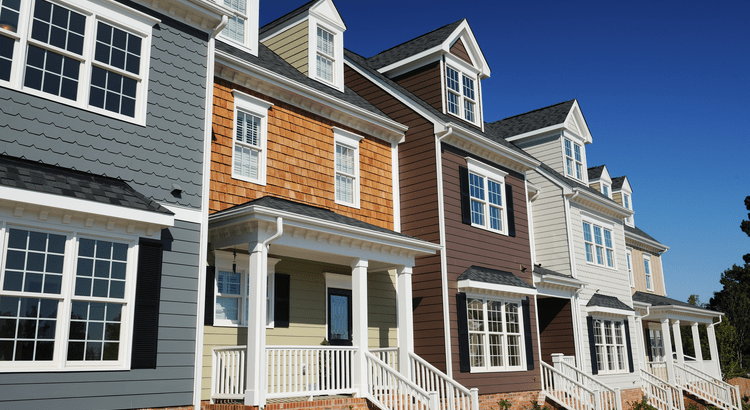


Buying your first home in today’s market can feel tough. Between high home prices and mortgage rates, affordability is still a big challenge. And some buyers are making one simple trade-off that’s getting them in the door faster: square footage.

According to the National Association of Home Builders (NAHB), 35% of buyers are willing to purchase something smaller to make homeownership happen. And one place you can usually find a smaller footprint (and sometimes better affordability) is in townhomes.

Why Townhomes Are Gaining Popularity

Townhomes typically cost less than single-family homes due to their more limited size. And that’s a big plus for today’s budget-conscious buyer. As Realtor.com says:


"In today's market, affordability remains a key priority for homebuyers, making townhomes an attractive option because they are often priced more reasonably than single-family homes. It makes them especially appealing to first-time homebuyers on a tighter budget . . ."

So, if you're trying to buy but feeling stuck because of rising prices, shifting your focus to townhomes could be one way to get into homeownership without maxing out your budget.

Builders Are Responding to the Demand

Builders have seen buyers’ appetite shift to smaller homes, and they’re adjusting to meet the demand. As Joel Berner, Senior Economist at Realtor.com, explains:


"Builders are making a concerted effort to provide smaller, more affordable inventory to the market in a way that the existing-home market cannot. Townhomes are a significant portion of that effort."

And the numbers back it up. According to data from Realtor.com, townhomes now make up a bigger share of new construction listings than they did just a couple of years ago (see graph below):

That means, if you’re interested in this type of house, you have more choices than you would have had over the last few years. And more options that are potentially more affordable are definitely a good thing. It should make your search for your first home a bit easier.

Is a Townhome Right for You?

If you’ve been focused only on more traditional homes with their own yards, an agent can help you explore whether a townhome could work for you. Who knows, you may find out you love the lifestyle. A lot of people do. As an article from the National Association of Realtors (NAR) explains:


“Townhomes tend to cost less than single-family detached homes and can be appealing to young professionals who may desire medium-density, walkable neighborhoods.”

That’s because they’re lower maintenance, they can provide a sense of community with other residents, and they have their own unique amenities. Not to mention, they give you the chance to start building wealth through homeownership without the upkeep that comes with having your own detached, single-family home. And that can be great for first-time buyers who are a bit worried about the maintenance anyway.

But they also come with some other considerations, like dealing with noise through shared walls. If you’re a renter right now, maybe you’re used to that already. But these are the types of things you’ll want to think about. And that’s where an agent’s expertise comes in. They’ll help you weigh the pros and cons, so you understand how a townhome fits into your lifestyle and long-term goals before making your decision.

Bottom Line

If you're struggling to find a home within your budget, it may be time to expand your search and consider options you haven’t before, like townhomes. Sometimes, compromising a little bit on space is worth it to get your foot in the door.

What matters most to you — space, location, or budget? Let’s figure out where you can flex to make homeownership happen.

Share this post

By KCM February 19, 2026
Why So Many Homeowners Are Downsizing Right Now For a growing number of homeowners, retirement isn’t some distant idea anymore. It’s starting to feel very real. According to Realtor.com and the Census, nearly 12,000 people will turn 65 every day for the next two years . And the latest data shows as many as 15% of those older Americans are planning to retire in 2026. And another 23% will do the same in 2027. If you’re considering retiring soon too, here’s what you should be thinking about. Why Downsize? Now's the perfect time to reflect on what you want your life to look like in retirement. Because even though your finances will be going through a big change, you don’t necessarily want to feel like you’re living with less . But odds are, what you do want is for life to feel easier . Easier to enjoy. Easier to manage. Easier to maintain day-to-day. The Top Reasons People Over 60 Move You can see these benefits show up in the data when you look at why people over 60 are moving. The National Association of Realtors (NAR) finds the top 4 reasons aren’t about timing the market or chasing top dollar. They’re about lifestyle: Being closer to children, grandchildren, or long-time friends so it’s easier to spend more time with the people who matter most Wanting a smaller, more functional home with fewer stairs and easier upkeep Retiring and no longer needing to live near the office, so it’s easier to move wherever you want Opting for something smaller to reduce monthly expenses tied to utilities, insurance, and maintenance No matter the reason, the theme is the same: downsizing isn’t about giving something up. It’s about gaining control and choosing simplicity. And it brings peace of mind to know your home fits the years ahead, not the years behind. And the best part? It’s more financially feasible now than many homeowners would expect. The #1 Thing Helping So Many Homeowners Downsize Here’s the part that makes it possible. Thanks to how much home values have grown over the years, many longtime homeowners are realizing they’re in a stronger position than they thought to make that move. According to Cotality , the average homeowner today has about $299,000 in home equity . And for older Americans, that number is often even higher – simply because they’ve lived in their homes longer. When you stay in one place for years (or even decades), two things happen at the same time: Your home value has time to grow. Your mortgage balance shrinks or disappears altogether. That combination creates more options than you’d expect, even in today’s market. So, whether you just retired, or you're about to, it's not too soon to start thinking about what comes next. Sure, it can be hard to leave the house you made so many years of memories in, but maybe it’s time to close one chapter to open a new one that’s just as exciting. Bottom Line Downsizing is about setting yourself up for what comes next – on your terms. If retirement is on the horizon and you’ve started wondering what your current house (and your equity) could make possible, the first step isn’t selling. It’s understanding your options. Let’s talk. A simple, no-pressure conversation can help you see what downsizing might look like – and whether it makes sense for you.
By KCM February 18, 2026
The body content of your post goes here. To edit this text, click on it and delete this default text and start typing your own or paste your own from a different source.
By The Lighter Side of Real Estate February 15, 2026
You’ve probably seen the buzz lately about 50-year mortgages possibly hitting the U.S. market soon. If you haven’t come across it yet, you probably will—whether in a headline, a newsfeed scroll, or it’ll just be an option the next time you’re house hunting. At face value, it sounds like a pretty sweet deal for anyone feeling squeezed by prices and rates. Stretch the payments out over half a century, and suddenly that monthly bill looks a whole lot friendlier. What’s not to love, right? Well, that depends on your perspective. So before deciding whether this could be a game-changer or just another gimmick, let’s make sure you’ve got enough info to have an informed opinion… Lower Payments? Yes. Lower Costs? Not Exactly. For many, the appeal comes down to affordability. A longer loan term could help buyers qualify for homes that might otherwise be out of reach, or simply make monthly payments more comfortable. That part is true, but where there’s a “gimme” there’s a “gotcha.” While the monthly payment may drop, the total cost over time can skyrocket. Stretching a loan over half a century means paying additional interest for half a century. The “savings” you feel each month could easily be swallowed up—and then some—by what you’ll ultimately pay in interest. Just Another “New” Option A 50-year mortgage might sound new and exciting, but it’s really just another option that isn’t currently offered. (Well, at least not all that often.) Buyers already have plenty of choices when it comes to loan terms: 10-, 15-, 20-, and 30-year mortgages are all standard options. Add in the mix of fixed-rate and adjustable-rate structures, and you’ve got a wide range of combinations designed to fit different financial situations. But more often than not, people lean toward the 30-year fixed rate loans. Technically, 40- and even 50-year mortgages already exist, though they’re rare in the U.S. and typically not backed by government programs. According to The White Coat Investor , they’re far more common in Europe, where ultra-long-term loans have been part of the financial landscape for years. A Matter of Perspective Whether a 50-year loan sounds appealing often comes down to your personal philosophy, and your tolerance for long-term debt. Some buyers lean toward shorter-term loans—like 15 or 20-year mortgages—because they want to own their home free and clear sooner and pay less in interest. Someone taking this approach, especially with a 15-year fixed or adjustable-rate mortgage, is often very disciplined about paying extra each month to chip away at the principal. To them, the vast majority of people opting for a 30-year fixed loan might look like they’re squandering money by stretching payments out unnecessarily and paying far more interest than they need to. On the flip side, 30-year borrowers often see the world differently. They value lower monthly payments and the flexibility it provides—whether to invest elsewhere, cover lifestyle costs, or just have breathing room in the budget. To them, those who aggressively tackle a 15-year loan might seem either a little extreme… or just downright wealthy to be able to afford such high payments. So, just like 15-year buyers might shake their heads at 30-year loans, 30-year borrowers will likely question a 50-year term. The point is, there’s no “right” choice. It’s about what makes you comfortable financially and psychologically. Is It Worth the Monthly Savings? Whether the monthly savings makes sense really depends on your perspective and personal situation. Everyone’s circumstances are different, so this is a question only you can answer for yourself. When you’re considering what type of loan and terms to choose, you’ll need to crunch the numbers at that moment—current rates, your credit score, and other factors will all play a role. But to give you some general perspective, HousingWire did some math you might find useful. According to the article, stretching a loan out to 50 years might shave around $100–$200 off your monthly payment compared to a 30-year mortgage. That’s not nothing—it could make a tight budget feel a little more comfortable. However, because you’re paying interest for an extra 20 years (or more), the total cost over the life of the loan can balloon dramatically. In the examples they gave, the interest payments were more than double what they would have been with a 30-year loan. And we’re talking hundreds of thousands of dollars. That “nice little savings” each month comes at the expense of paying far more in the long run. So yes, you’ll feel relief each month with a lower payment, but over decades, your home ends up costing a lot more than the purchase price. That’s the trade-off. A 50-year mortgage isn’t inherently bad; it’s just a choice between short-term comfort and long-term savings. And it’s a choice worth thinking through carefully before signing anything. The Takeaway: The idea of a 50-year mortgage might sound like a silver bullet for housing affordability, but the reality is more nuanced. Sure, it could make monthly payments a bit lighter—but it could also cost much more in the long run and potentially nudge home prices even higher. As with most things in real estate, there’s no one-size-fits-all answer. It’s not necessarily right or wrong, it’s about what’s right for you. The key is to understand exactly what you’re signing up for before committing to a loan that could last longer than most careers.
Show More