
Tips for Making Your Best Offer on a Home

KCM • August 6, 2023

Tips for Making Your Best Offer on a Home
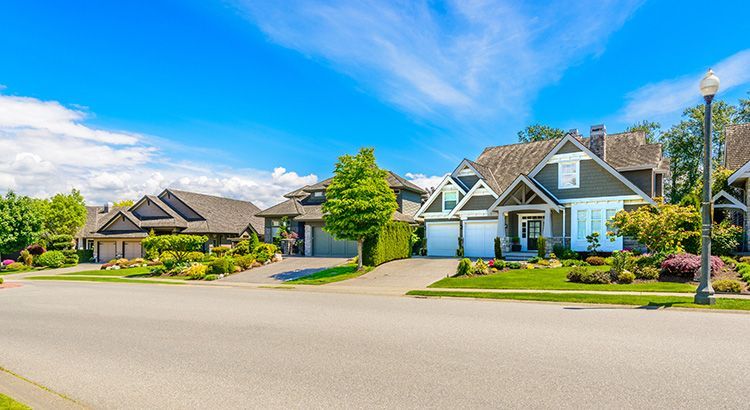


While the wild ride that was the 
‘unicorn’ years of housing is behind us, today’s market is still competitive in many areas because the supply of homes for sale is still low. If you’re looking to buy a home this season, know that the peak frenzy of bidding wars is in the rearview mirror, but you may still come up against some multiple-offer scenarios.

Here are a few things to consider to help you put your best foot forward when making an offer on a home.

1. Lean on a Real Estate Professional

Rely on an agent who can support your goals and help you understand what’s happening in today’s housing market. Agents are experts in the local market and on the national trends too. They’ll use both of those areas of expertise to make sure you have all the information you need to move with confidence.

Plus, they know what’s worked for other buyers in your area and what sellers may be looking for in an offer. It may seem simple, but catering to what a seller needs can help your offer stand out. As an article from Forbes says:

"Getting to know a local realtor where you’re hoping to buy can also potentially give you a crucial edge in a tight housing market."

2. Get Pre-Approved for a Home Loan

Having a clear budget in mind is especially important right now given the current affordability challenges. The best way to get a clear picture of what you can borrow is to work with a lender so you can get pre-approved for a home loan.

That’ll help you be more financially confident because you’ll have a better understanding of your numbers. It shows sellers you’re serious, too. And that can give you a competitive edge if you do get into a multiple-offer scenario.

3. Make a Fair Offer

It’s only natural to want the best deal you can get on a home. However, submitting an offer that’s too low does have some risks. You don’t want to make an offer that will be tossed out as soon as it’s received just to see if it sticks. As Realtor.com explains:

“. . . an offer price that’s significantly lower than the listing price, is often rejected by sellers who feel insulted . . . Most listing agents try to get their sellers to at least enter negotiations with buyers, to counteroffer with a number a little closer to the list price. However, if a seller is offended by a buyer or isn’t taking the buyer seriously, there’s not much you, or the real estate agent, can do.”

The expertise your agent brings to this part of the process will help you stay competitive and find a price that’s fair to you and the seller.

4. Trust Your Agent’s Expertise Throughout Negotiations

During the ‘unicorn’ years of housing, some buyers skipped home inspections or didn’t ask for concessions from the seller in order to submit the winning bid on a home. An article from Bankrate explains this isn’t happening as often today, and that’s good news:

“While the market has largely calmed down since then, sellers are still very much in the driver’s seat in this era of scarce housing inventory. It’s not as common for buyers to waive inspections anymore, but it does still happen. . . . It’s in the buyer’s best interest to have a home inspected . . . Inspections alert you to existing or potential problems with the home, giving you not just an early heads up but also a useful negotiating tactic.”

Fortunately, today’s market is different, and you may have more negotiating power than before. When putting together an offer, your trusted real estate advisor will help you think through what levers to pull and which ones you may not want to compromise on.

Bottom Line

When you buy a home this summer, let’s connect so you have an expert on your side who can help you make your best offer.


Share this post

By KCM March 15, 2026
Are Home Prices Dropping? Here’s the Real Story. You’ve probably seen posts on social media talking about how “home prices are falling.” And when you see something like that, it’s normal to wonder: Is this the start of a crash? What does this mean for my house? Let’s clear this up right away. This is not a crash. And your home is not suddenly losing a lot of value. The National Story – Prices Are Still Going Up Here’s what often gets left out of what you’re seeing online. While some markets are experiencing slight declines, they’re the minority. Most places are still seeing prices rise or at the very least, hold steady. That’s why, at the national level, home prices are still rising, just at a slower pace. According to the National Association of Realtors (NAR): “Home prices continued to rise in the fourth quarter of 2025. National median prices rose 1.2% year over year to $414,900.” That’s not the rapid growth of a few years ago, but it’s not a downturn either. And just to really drive this home, here’s a look at the data from NAR at a regional level, so you can see that the negative narrative spun up online isn’t the whole truth (see graph below): Home prices are up (or at least holding steady) in the Northeast, Midwest, and South. The West has seen some small declines in certain markets, but “small” is the key word. There is no wave of falling prices across the country. Instead, there are just a few pockets adjusting after several years of what’s typically considered unsustainable or exponential growth. Yes, Some Markets Have Come Down, But Look at the Bigger Picture. Okay, but what about the places where prices have declined? According to ResiClub and Zillow, that’s not a cause for major concern. When you zoom out and look at those same markets over the past five years, the story changes (see graph below): In the areas with recent declines, home values are still significantly higher than they were just five years ago. That’s a direct reflection of how much home values have gone up. Online chatter tends to shine a spotlight on the few areas that are down. But the bigger picture shows most homeowners are still in a very strong position. Of course, every market, and every home, is different. But broadly speaking, home values are holding steady. And this isn’t a sign of widespread trouble in the market. Bottom Line Despite what you may be seeing online, home prices are rising or holding steady in most parts of the country. If you’re curious what your home is worth today, let’s take a look at the numbers together. Because context, and local expertise, matter more than what you’re seeing online.
By KCM March 13, 2026
The Hidden Advantage Repeat Buyers Have Right Now What if you didn’t have a mortgage payment on your next house? It may sound a little unrealistic. But for a number of homeowners, it’s actually doable. Nearly 3 in 10 homes purchased today are bought in cash , according to the National Association of Realtors (NAR). That’s far more than the pre-pandemic norm (see graph below): So, how are so many buyers pulling that off? The answer is simple: home equity . Back in 2020-2021, mortgage rates and the number of homes for sale were both at all-time lows. And that combination pushed home prices up, fast. If you owned a home during that time, it likely gained significant value – maybe even enough to buy your next house in cash . NAR explains : “. . . rising home equity has armed many existing homeowners with the financial leverage to make cash offers , allowing them to convert years of price appreciation into immediate purchasing power.” Here’s why you may want to go that route yourself, if you have enough equity to do it. 1. Your Offer Becomes More Attractive Sellers value certainty. And an all-cash offer removes one of the biggest unknowns in a transaction: financing. As Rocket Mortgage explains: “ Cash offers are attractive to sellers. Sellers often prefer to work with cash buyers if they can because they don’t have to worry about a buyer’s financing falling through at the last minute.” In many markets, an all-cash offer can give you a serious edge. 2. You Can Close Faster And since you don't have to worry about underwriting, lender approvals, and loan processing, the time it takes to close shrinks. Cotality puts it this way: “Cash buyers have always enjoyed an edge over borrowers. They remove financing risk, reduce delays, and often close in days rather than weeks .” If the owner of the house you're buying is already under contract on their next home or they just need to move fast (like for a new job), that speed is a real draw. 3. You Won't Have Monthly Mortgage Payments When you buy in cash, you don’t have to finance your purchase. That means you don’t have to worry about what today’s mortgage rates are and you own the house outright from the day you close. And that’s a big deal. No mortgage. No monthly payment. Full ownership. That financial freedom opens the door for other big lifestyle benefits. Zillow explains: “Paying in cash means you own your home outright. This eliminates the need for monthly mortgage payments, freeing up your finances for other priorities like savings, travel, or home improvements.” 4. You May Get a Better Deal And here’s one more thing that surprises a lot of homeowners: cash buyers often pay less for the house. According to Cotality, all-cash buyers tend to spend roughly 9% less on the house than buyers who use a mortgage. That’s because some sellers are willing to accept lower offers to get a deal done quickly, with more certainty of closing, and fewer financing hoops to jump through. As Cotality explains: “From a seller’s point of view, a lower but reliable offer can feel preferable to a higher one that may collapse weeks later.” And that advantage grows with each passing year (see graph below): Is an All-Cash Move Realistic for You? Not every homeowner will buy their next house outright in cash. And that’s okay. But the bigger takeaway is this: the equity you’ve built may give you more options than you think. Whether that means downsizing and eliminating a mortgage entirely, or just relocating with stronger negotiating power, your current house may be what makes it possible. Bottom Line Before assuming you’ll need another traditional mortgage, it’s worth asking one simple question: How much equity do you really have? Because the answer might change what you thought your next move could look like. Curious what your home equity could do for you? Let’s run the numbers and see what kind of buying power you’re really sitting on.
By KCM March 11, 2026
How Your Equity Could Help Younger Generations Buy a Home For a lot of parents or grandparents, watching a family member struggle to buy their first home right now is hard. That's because you saw firsthand how homeownership gave your life more stability and helped grow your net worth – and you want your loved ones to have those same opportunities. But with all the affordability challenges in recent years, that can feel like an uphill battle – even though it’s slowly improving lately. Here’s what you may not realize. You may be in a unique position to help (thanks to the equity in your current house). The Equity Advantage You May Not Be Thinking About You’ve likely owned your home for years, maybe even decades. And during that time, two things happened: Home values rose Your mortgage balance shrank (or you paid it off entirely) That combination has created substantial equity for many homeowners like you. And while you may think of that equity as something you want to have in your pocket for retirement, it can also serve another purpose: helping the next generation clear the biggest hurdle in their way. The #1 Thing Holding Young Buyers Back When John Burns Research & Consulting (JBREC) asked renters what’s keeping them from buying, the top answer wasn’t mortgage rates or home prices. It was the upfront cost, particularly saving enough for their down payment (see graph below): That’s where you may be able to make more of a difference than you realize. You can’t control rates or prices. But you may be able to use your equity to help with this upfront expense. And giving money to your loved one so they buy a home doesn’t mean putting your own future at risk. Even a small portion of your equity can put them in a position to finally get the keys to their first place – and, if you’re strategic about it, you’d still have a lot leftover for when you retire. With an estimated $68 and $84 trillion of wealth expected to transfer from older generations to younger ones over the next two decades, many families are already thinking differently about when and how that wealth will be passed down. Maybe it makes sense for your family to think about too. Help from Loved Ones Is Making a Move Possible for Many First-Time Buyers A growing share of young buyers are using gifts and loans from their loved ones to springboard into homeownership. According to the National Association of Realtors (NAR), nearly 1 in 5 first-time buyers use a cash gift from their family or loved ones for their down payment. And other young buyers are using their inheritance or a loan from someone they know to finally break into the market (see charts below): This Is About Opportunity, Not Obligation Every family’s situation is different, and your decision should be made carefully. It’s just that, if you’ve built up a lot of equity, you may have more room to help than you think. It’s not just a financial gift. It’s giving stability, security, and a foundation that could change their lives for the better – especially at a time when they may not be able to do it on their own. Bottom Line If you’re curious what your home equity could make possible, for you or for your loved ones, let’s start with a simple conversation. Because sometimes the most meaningful investment you can make is for the next generation.
Show More