
4 Tips to Maximize the Sale of Your House

Appfolio Websites • May 10, 2021

4 Tips to Maximize the Sale of Your House
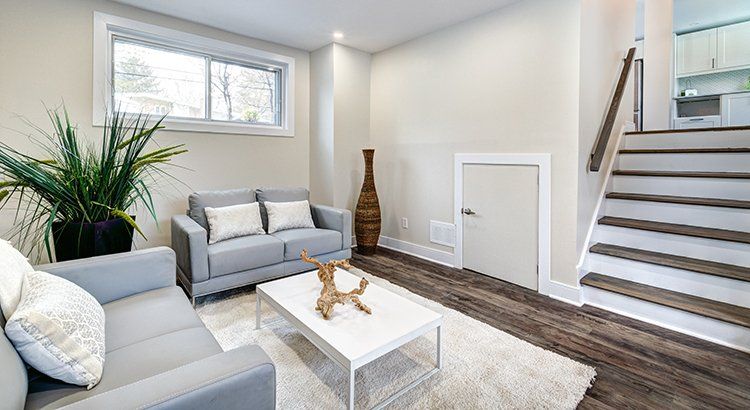


Homeowners ready to make a move are definitely in a great position to sell today. Housing inventory is incredibly low, driving up buyer competition. This gives homeowners 
leverage to sell for the best possible terms, and it’s fueling a steady rise in home prices.

In such a hot market, houses are selling quickly. According to the National Association of Realtors (NAR), homes are typically on the market for just 18 short days. Despite the speed and opportunity for sellers, there are still steps you can take to prep your house to shine so you get the greatest possible return.

1. Make Buyers Feel at Home

One of the ways to make this happen is to take time to declutter. Pack away any personal items like pictures, awards, and sentimental belongings. The more neutral and tidy the space, the easier it is for a buyer to picture themselves living there. According to the 2021 Profile of Home Staging by NAR:

“82% of buyers’ agents said staging a home made it easier for a buyer to visualize the property as a future home.”

Not only will your house potentially attract the attention of more buyers and likely sell quickly, but the same report also notes:

“Eighteen percent of sellers' agents said home staging increased the dollar value of a residence between 6% and 10%.”

As Jessica Lautz, Vice President of Demographics and Behavior Insights for NAR, says:

“Staging a home helps consumers see the full potential of a given space or property…It features the home in its best light and helps would-be buyers envision its various possibilities.”

2. Keep It Clean

On top of making an effort to declutter, it’s important to keep your house neat and clean. Before a buyer stops by, be sure to pick up toys, make the beds, and wash the dishes. This is one more way to reduce the number of things that can distract a buyer from the appeal of the home.

Ensure your home smells fresh and clean as well. Buyers will remember the smell of your house, and according to the same report from NAR, the kitchen is one of the most important rooms of the house to focus on if you want to attract more buyers.

3. Give Buyers Access

Buyers are less likely to make an offer on your house if they aren’t able to easily schedule a time to check it out. If your home is available anytime, that opens up more opportunities for multiple buyers to go from curious to eager. It also allows buyers on tight schedules to still get in to see your house.

While health continues to be a great concern throughout the country, it’s important to work with your agent to find the best safety measures and digital practices for your listing. This will drive visibility and create access options that also keep everyone in the process safe.

4. Price It Right

Even in a sellers’ market, it’s crucial to set your house at the right price to maximize selling potential. Pricing your house too high is actually a detriment to the sale. The goal is to drive high attention from competing buyers and let bidding wars push the final sales price up.

Work with your trusted real estate professional to determine the best list price for your house. Having an expert on your side in this process is truly essential.

Bottom Line

If you want to sell on your terms, in the least amount of time, and for the best price, today’s market sets the stage to make that happen. Let’s connect today to determine the best ways to maximize the sale of your house this year.


Share this post

By KCM February 2, 2026
The body content of your post goes here. To edit this text, click on it and delete this default text and start typing your own or paste your own from a different source.
By KCM January 28, 2026
Are Big Investors Really Buying Up All the Homes? Here’s the Truth. It’s hard to scroll online lately without seeing some version of this claim: “Big investors are buying up all the homes.” And honestly, if you’re a homebuyer who’s lost out on a few offers, that idea probably sounds believable. When homes are expensive and competition is tight, it’s easy to assume giant companies are scooping everything up behind the scenes. But here’s the thing: what people assume is happening and what the data actually shows aren’t always the same. Let’s look at what’s really happening with large institutional investors in today’s housing market – because the numbers tell a much different story than the headlines. The Number Most People Won’t See Online Let’s start with the most important stat. According to John Burns Research & Consulting (JBREC), large institutional investors – those that own 100 or more homes – made up just 1.2% of all home purchases in Q3 of 2025 (see graph below): That’s it. Out of every 100 homes sold, only about 1 went to a large institutional investor. And here’s an important point that often gets missed: that level of investor activity is very much in line with historical norms. It’s not unusually high, and it’s actually well below the recent peak of 3.1% back in 2022 – which itself was still a small share of the overall market. So, while it can feel like big investors are everywhere, nationally, they’re a very small part of overall home sales. Why Investor Activity Gets So Much Attention There are two main reasons this topic gets so much attention: Investor activity isn’t spread evenly. Investors are more active in certain markets, which can make competition feel intense for homebuyers in those areas. As Lance Lambert, Co-Founder of ResiClub, explains:“On a national level, “large investors”—those owning at least 100 single-family homes—only own around 1% of total single-family housing stock. That said, in a handful of regional housing markets, institutional and large single-family landlords have a much larger presence. ” Investor is a broad term. Part of what makes the share of purchases bought by investors sound so big is because many headlines lump large Wall Street institutions together with small, local investors (like your neighbor who owns one or two rental homes). But those are very different buyers.In reality, most investors are small, local owners, not massive corporations. And when all investors get grouped together in the headlines as a single stat, it inflates the number and makes it seem like big institutions are dominating the market (even though they’re not). Yes, big investors exist. Yes, they buy homes. But nationally, they’re responsible for a very small share of total purchases – far smaller than most people assume. The bigger challenges around affordability have much more to do with supply, demand, and years of underbuilding than with large institutions competing against everyday buyers. That’s why it’s so important to separate noise from reality, especially if you’re trying to decide if now is the right time to move. Bottom Line If you want to talk through what investor activity actually looks like in our local market, and how it impacts your options (or doesn’t), let’s connect. Sometimes a little context makes all the difference.
By Inner Circle January 22, 2026
It’s a new year, and if buying a home in 2026 is on your mind, there’s one simple piece of advice worth hearing first: get started now. Not in March. Not in spring. Not “when the weather gets better.” Now. Why? For starters, buying a home takes time. A recent Realtor.com article suggests getting started at least six months before you plan to close. That doesn’t mean starting in January automatically puts you on track for a June closing. In fact, if you get started now, there’s a good chance you could be in a home much sooner than that. On the flip side, even if you don’t plan to move until later in the year, beginning the process early still puts you in a far stronger position when you’re ready to make offers. You’re almost always better off starting sooner rather than later. There’s a lot involved beyond simply finding a house you like. Financial preparation, getting pre-approved for a mortgage, understanding what you can truly afford, getting a handle on the existing inventory, touring homes, writing offers, negotiating terms, and finally closing — all of that takes time. And that’s before factoring in local competition and inventory. But as we head into this new year, there’s another reason starting early matters even more — and it has everything to do with what’s happening in the market right now… It’s Finally a Buyer’s Market in Many Areas… But It Might Not Last One of the biggest reasons to begin in January is where the market stands right now. In many areas, conditions are unusually favorable for buyers — and that’s not something to assume will stick around. According to recent housing market data , there were roughly 37% more sellers than buyers across the U.S. in November 2025, one of the largest gaps on record going back to 2013. A gap that large can give buyers more negotiating power. It often leads to more options, more time to consider choices, and greater leverage when it comes to price, terms, and requests for seller concessions. But that gap can easily close. Many buyers put off looking for a home until the spring market “officially” begins. That’s in quotation marks because there really is no official date for when the spring market begins. But at some point in the next few months, there will likely be a surge of buyers entering the market. When that happens, competition will increase and many of the advantages buyers enjoy early in the year will likely begin to shrink. Buyers who wait may find themselves facing more multiple-offer situations, tighter negotiations, and less room to ask for concessions. Getting started in January doesn’t just give you a head start — it gives you a shot at taking advantage of conditions that may look very different just a few months from now. The First Thing to Do After the First of the Year If you’re even just thinking about buying a home in 2026, the most productive first step after the new year isn’t scrolling listings or heading out to open houses — it’s having a conversation with a local real estate agent. National headlines are helpful for understanding broad trends, but real estate is extremely local. Conditions can vary dramatically from one city to the next, from one neighborhood to another, and even from one price range to another within the same town. An agent can walk you through what inventory looks like right now, how competitive buyers are in your target price range, and whether sellers are negotiating or still holding firm. They can also help you come up with a timeline and strategy based upon your personal situation and the current market conditions. The Takeaway: Buying a home almost always takes longer than people expect. That’s why many experts recommend starting the process at least six months before you plan to move. That doesn’t mean it has to take that long — plenty of buyers find and close on a home much sooner. But it does mean that giving yourself time is rarely a bad idea. Starting as early in the year as possible is always smart, but starting early in 2026 may be even smarter. With roughly 37% more sellers than buyers — the largest gap we’ve seen since 2013 — today’s market is offering buyers opportunities that may not last once more people jump in later this year. Waiting until spring could mean more competition and fewer advantages than buyers see right now. If you’re even thinking about buying in 2026, getting the ball rolling in January can put you in a much stronger position. And the best first step isn’t browsing listings — it’s talking with a local real estate agent who can explain what’s happening in your market, help you set realistic.
Show More